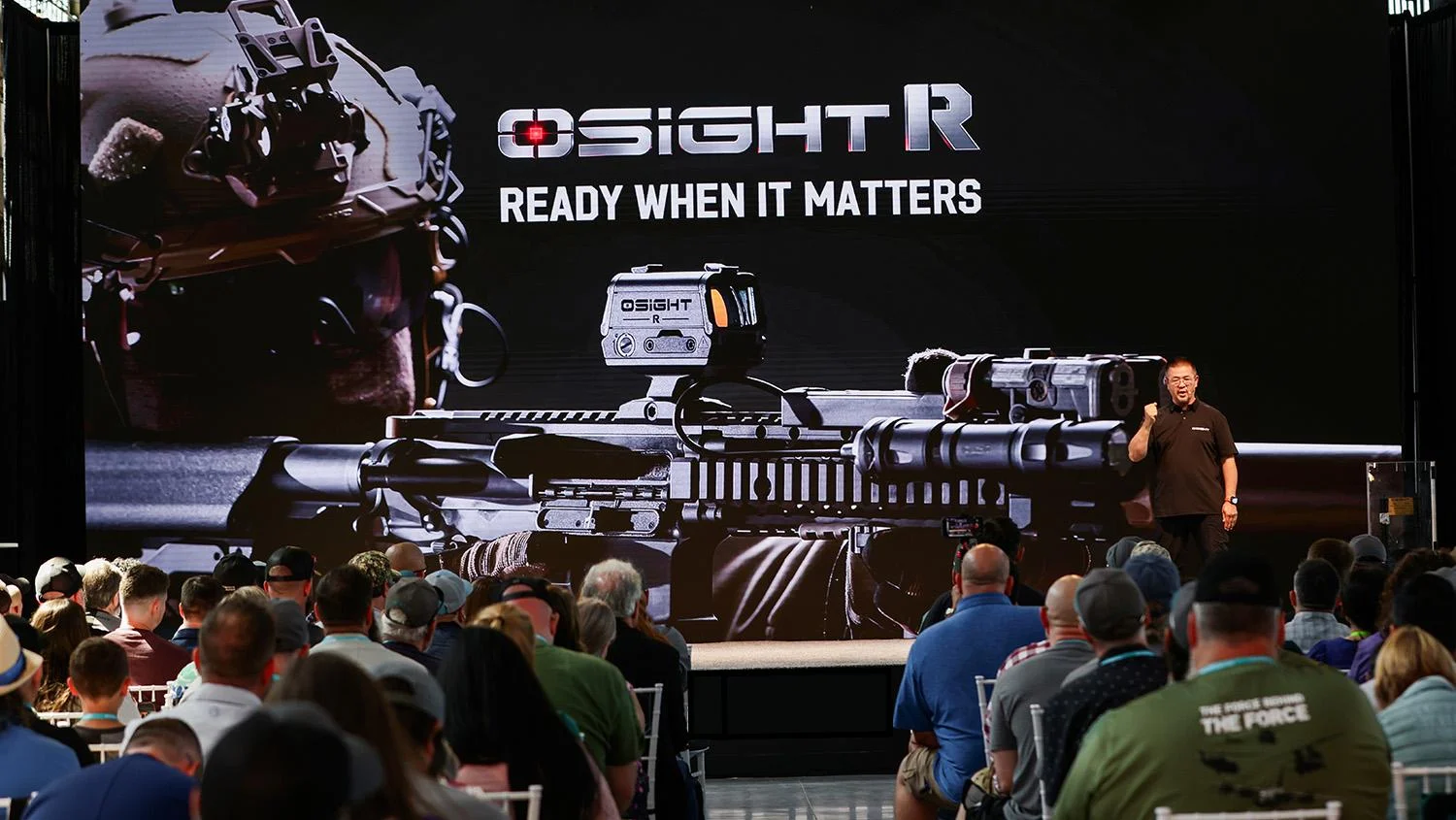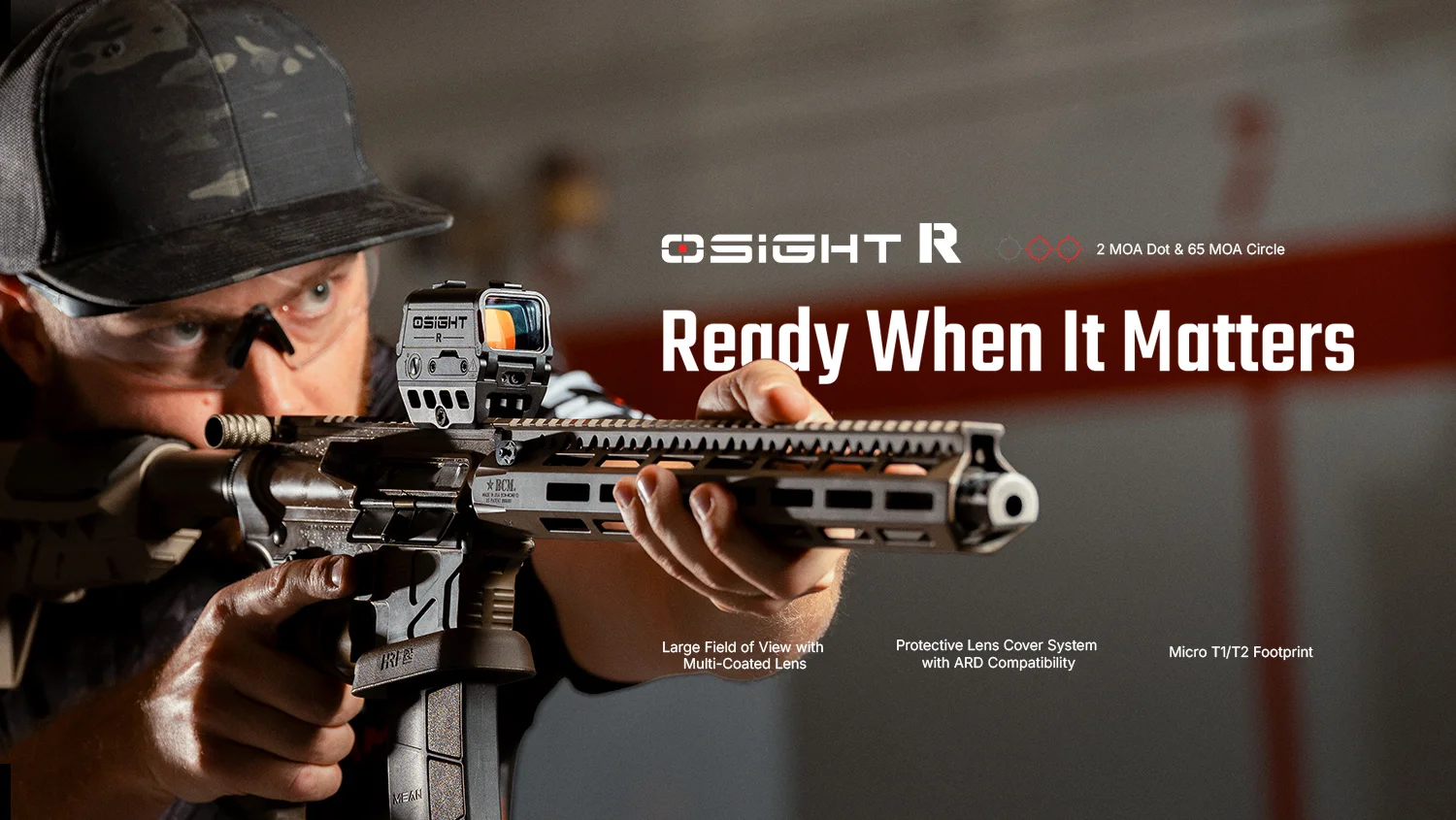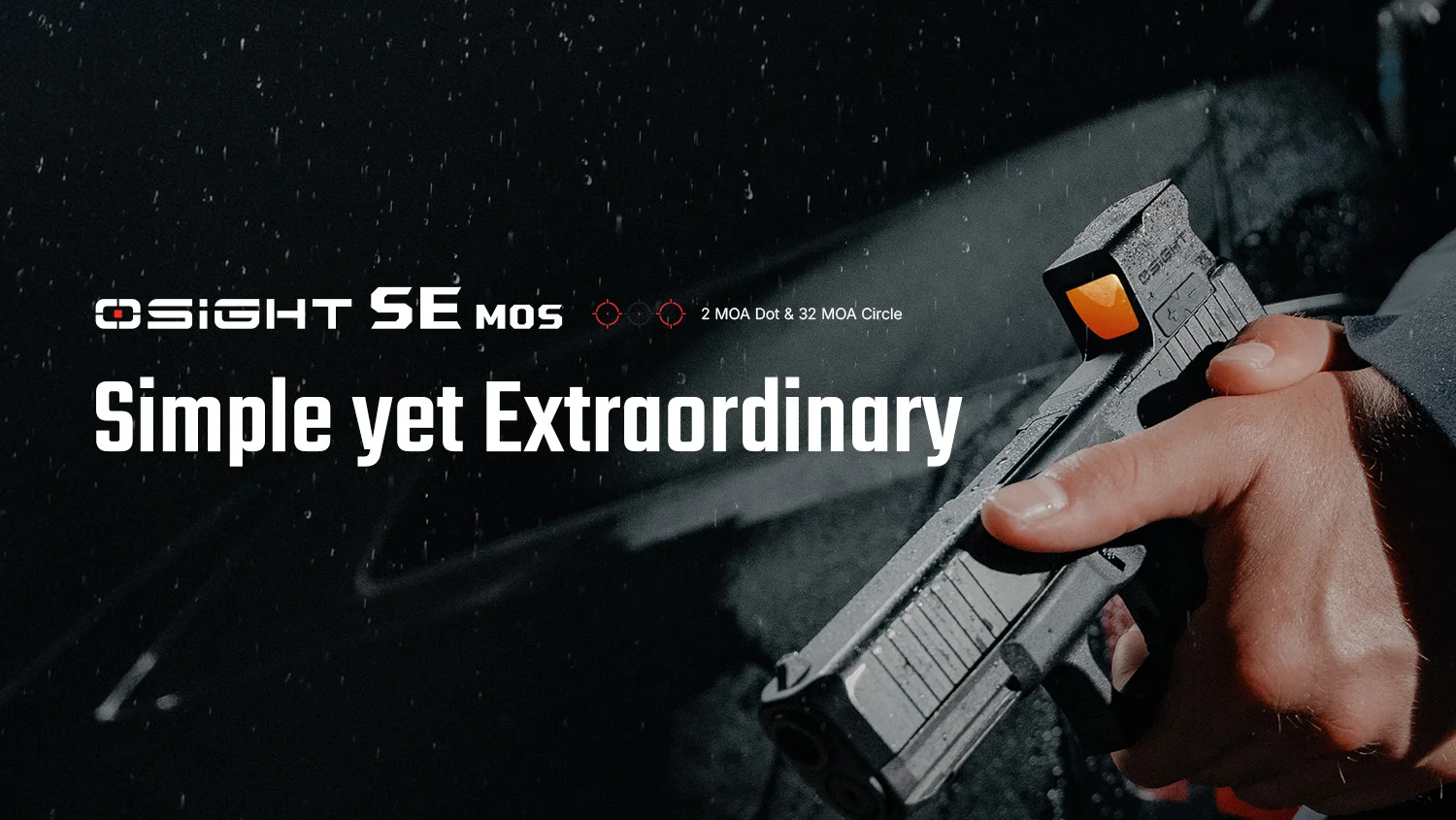


One year ago, Osight officially entered the red dot optics market. Over the past twelve months, we’ve engaged continuously with shooters, partners, and industry peers on the range, at trade shows, and in competition environments. More importantly, we’ve watched Osight products be tested, refined, and evolved through the firearms industry.
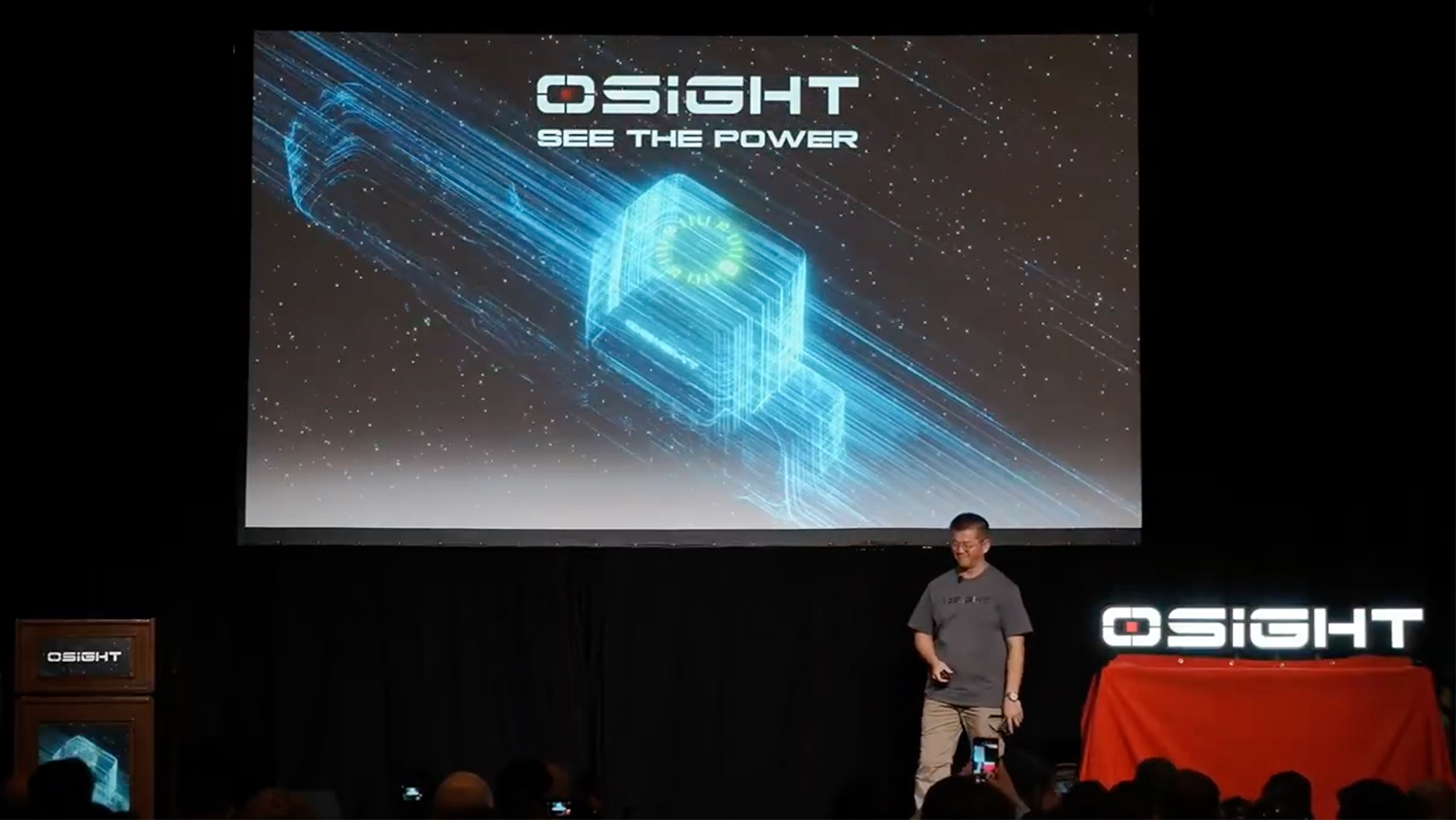
That is why, at this one-year mark, we are not rushing to list achievements. Instead, we return to a more fundamental question: Why did Osight exist in the first place and has experience proven our path to be the right one?
A Difficult Judgment to Make
Before Osight was founded, we spent years closely observing the handgun optics market. Over time, one conclusion became increasingly difficult to ignore: the evolution of red dot sights had slowed significantly.

While other equipment categories continued to advance, becoming lighter, stronger, and more ergonomic, red dot optics remained constrained by familiar structures and experiences. The factors shooters care about most, optical clarity, structural reliability, and practicality were often overshadowed by incremental changes and surface-level specifications.
Osight was born in this context. Not to become“another brand,” but as a deliberate choice: Red dots deserved to be taken seriously again.
Principles Before Products
Once the problem was clear, the next challenge was equally important: deciding how to make decisions.
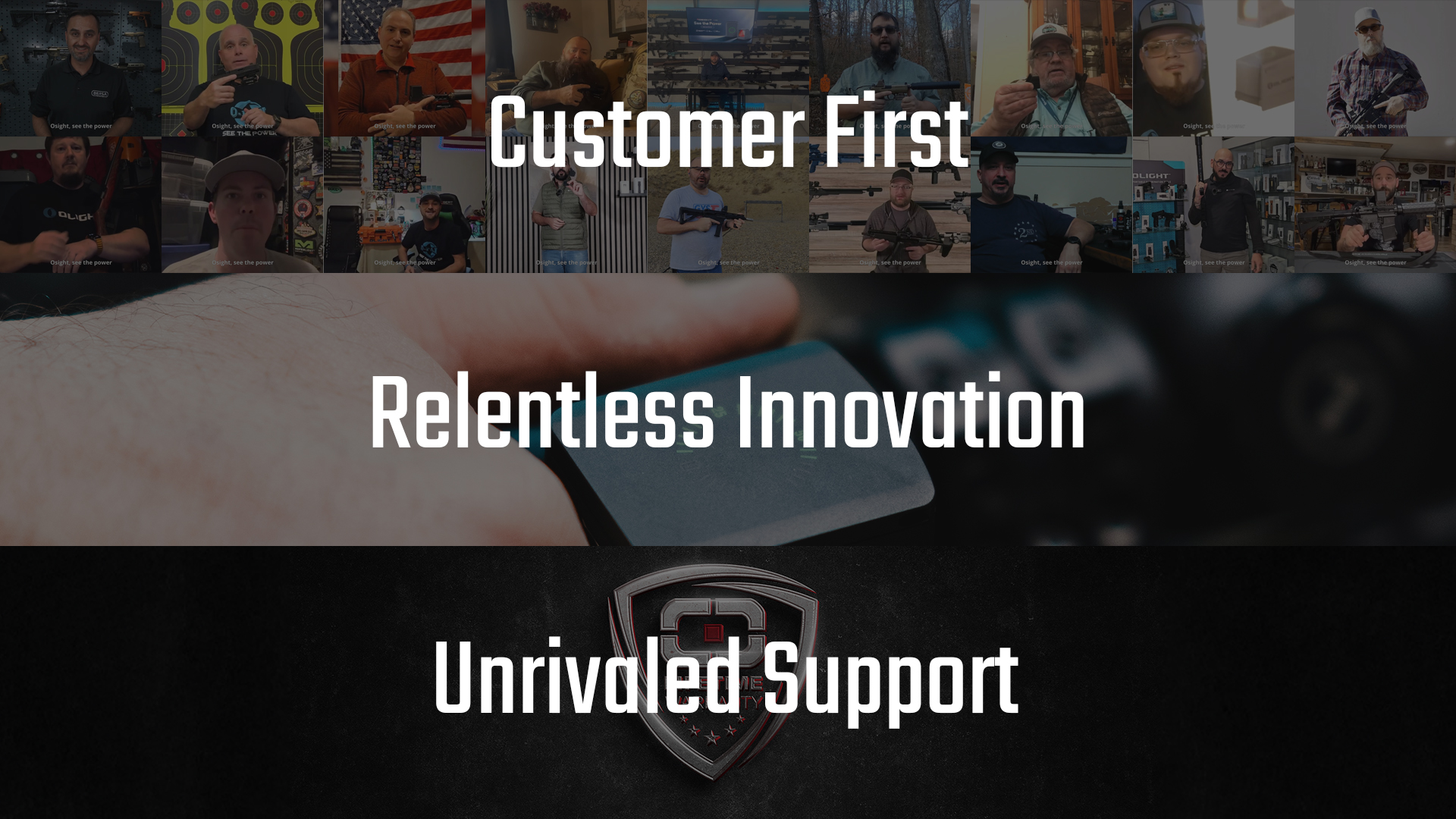
From day one, Osight established three non-negotiable brand pillars: Customer First, Relentless Innovation, and Unrivaled Support. These were never meant as outward-facing slogans, but as internal standards that guide every major decision. Whether introducing a new product, adopting a technology, or committing to a design direction, every choice at Osight ultimately traces back to these principles. They define not only where we move forward, but also which shortcuts we refuse to take.
Osight Greets the World
Principles only matter when they are tested.
At SHOT Show 2025, Osight entered the industry spotlight with its first complete product lineup. The release of Osight S and X generated immediate and candid feedback. Optical clarity, multi-reticle capability, and overall structural design validated our core assumptions, while sustained field use quickly revealed more nuanced, scenario-specific needs.
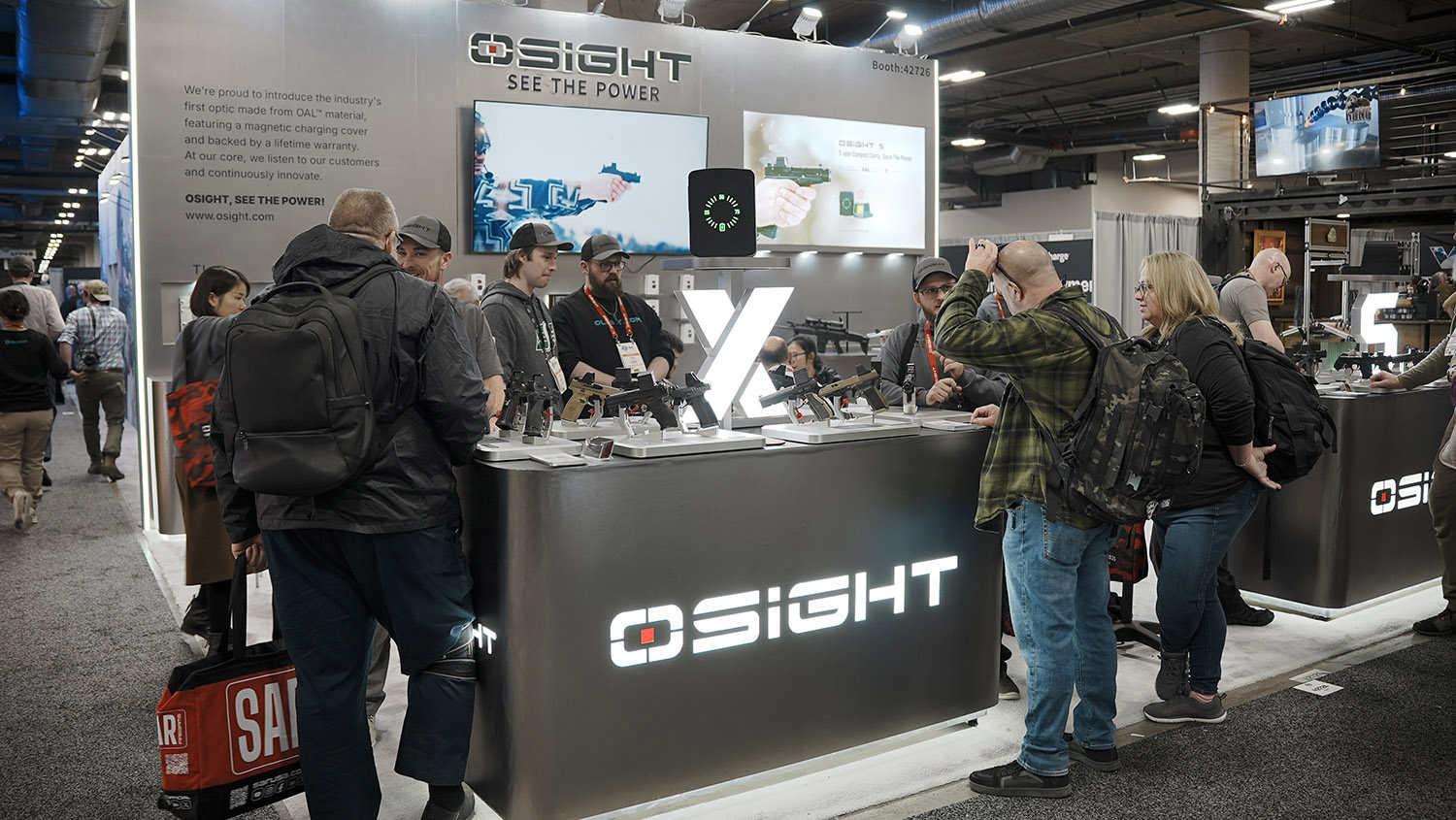
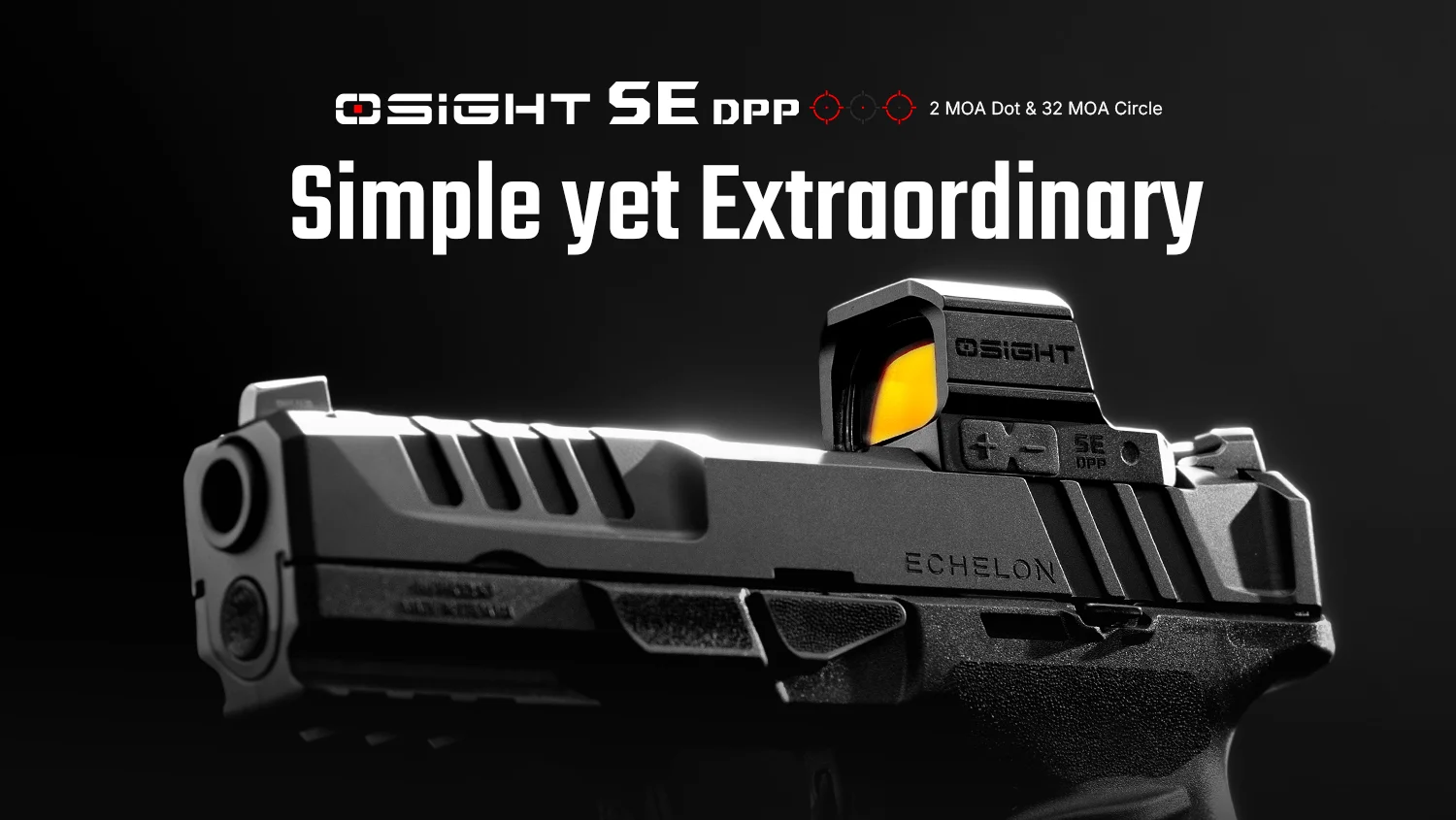
It was during this phase that one truth became clear: Staying true to principles does not mean staying unchanged. Osight SE was not part of our original roadmap. It emerged directly from market feedback and demonstrated that maturity as a brand comes not from predicting every answer in advance, but from responding decisively when reality demands.
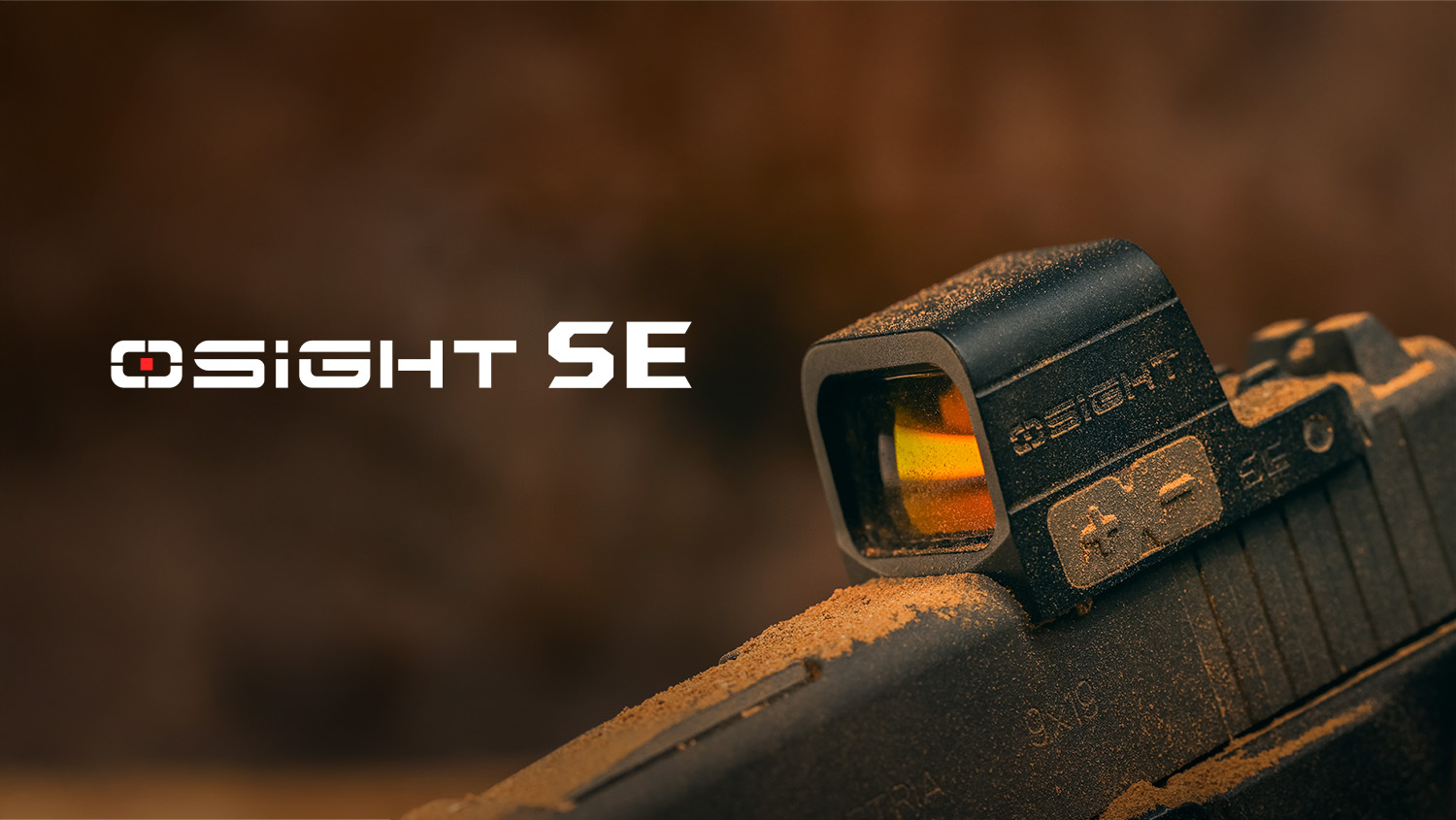
This period marked a critical transition: from assumptions being correct to assumptions being refined.
XR: An Answer One Year in the Making
After a full year of market feedback, field evaluation, and operational constraints, one unresolved question remained: Could a closed-emitter optic deliver meaningful reliability without forcing shooters to abandon their platforms? Osight XR is our answer.
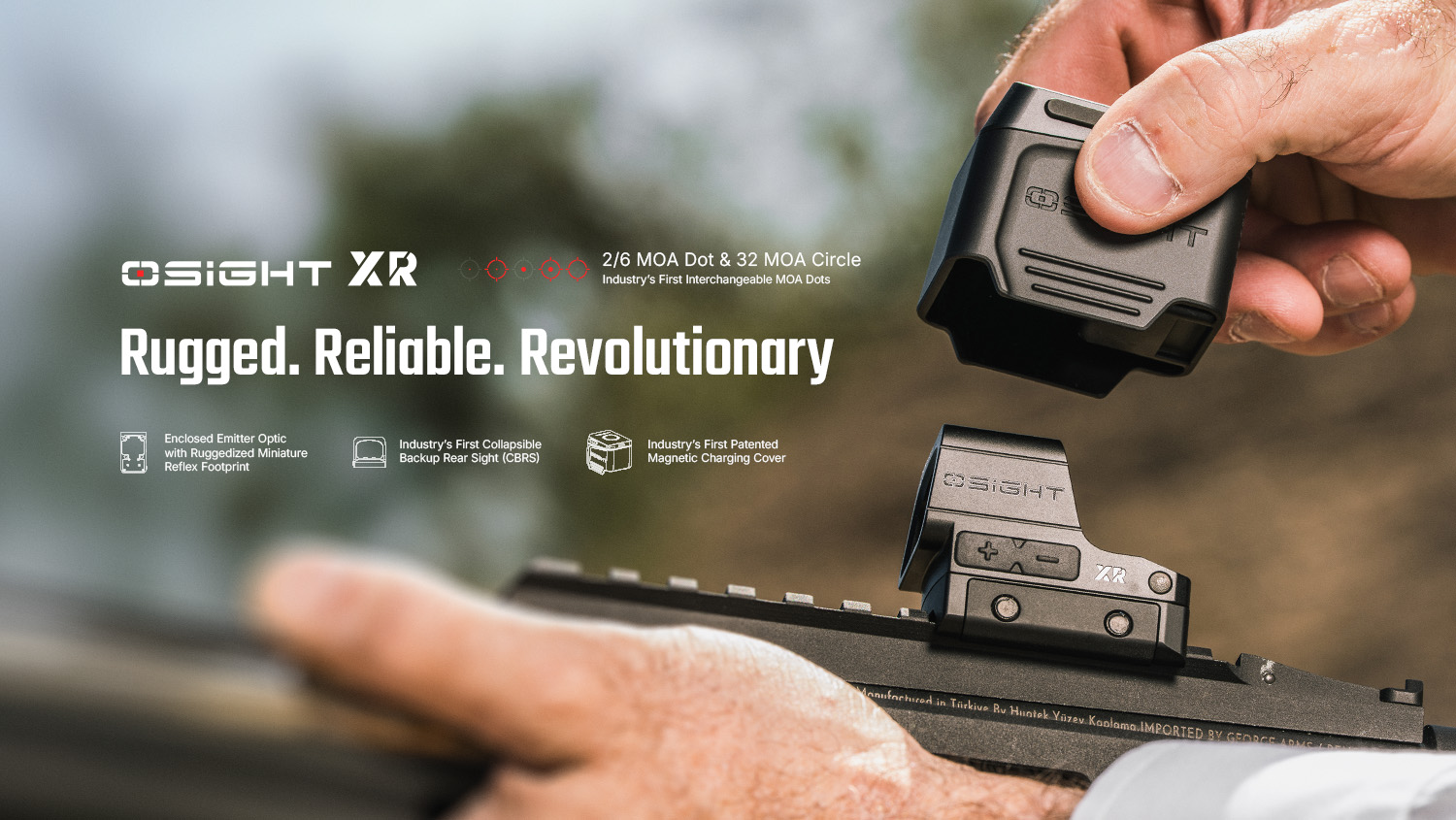
Developed over the course of an entire year, XR combines a sealed, closed-emitter architecture with full compatibility for the Ruggedized Miniature Reflex footprint, preserving platform flexibility while significantly improving environmental resilience. Its adaptive multi-reticle system, supported by Osight’s high-precision LED technology and aspheric glass, reflects a design process focused on usable clarity rather than theoretical specifications.
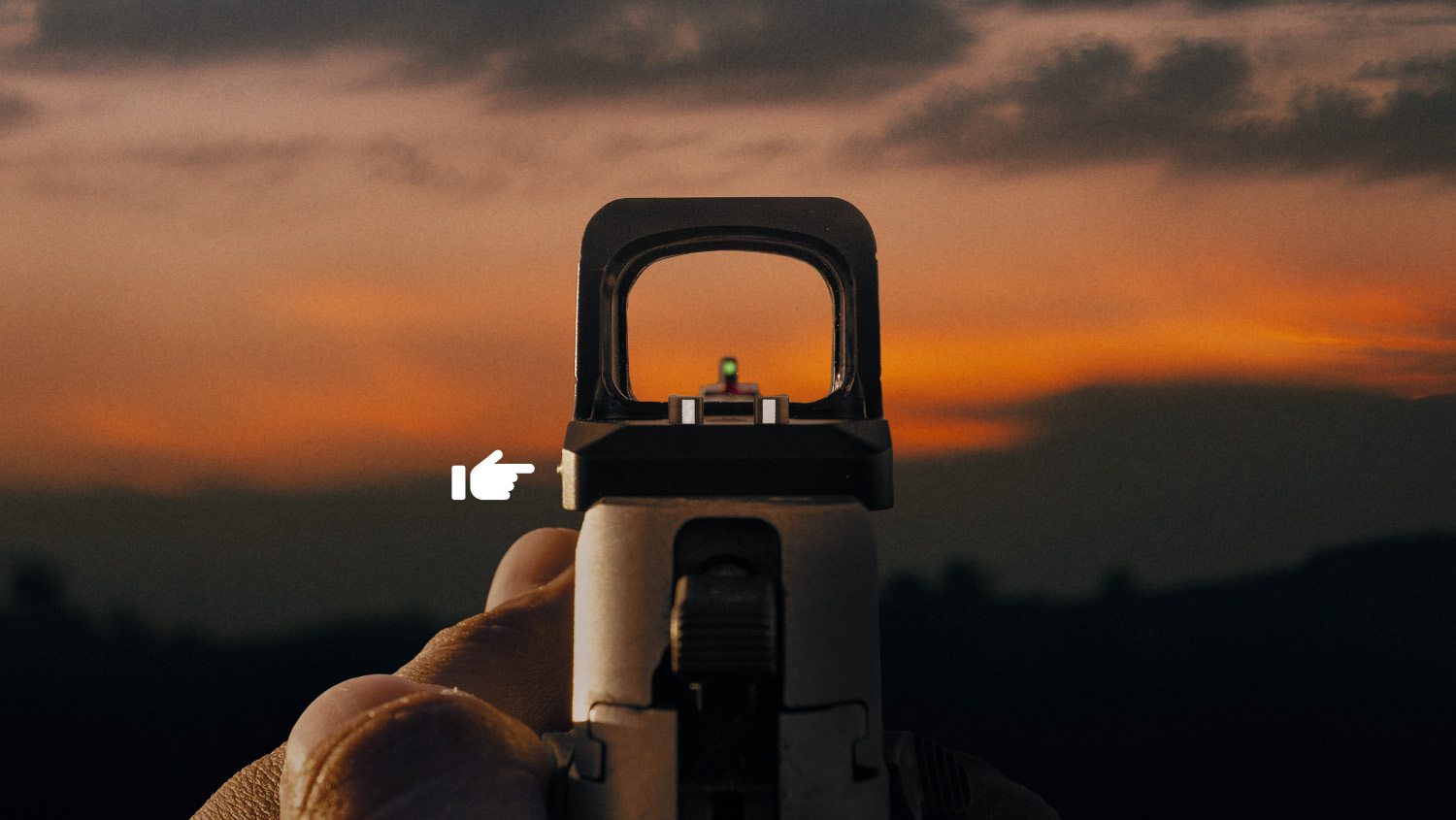
XR represents a point where reliability and compatibility no longer require compromise.
Validated Through Endurance
If market feedback validates direction, sustained use validates credibility.
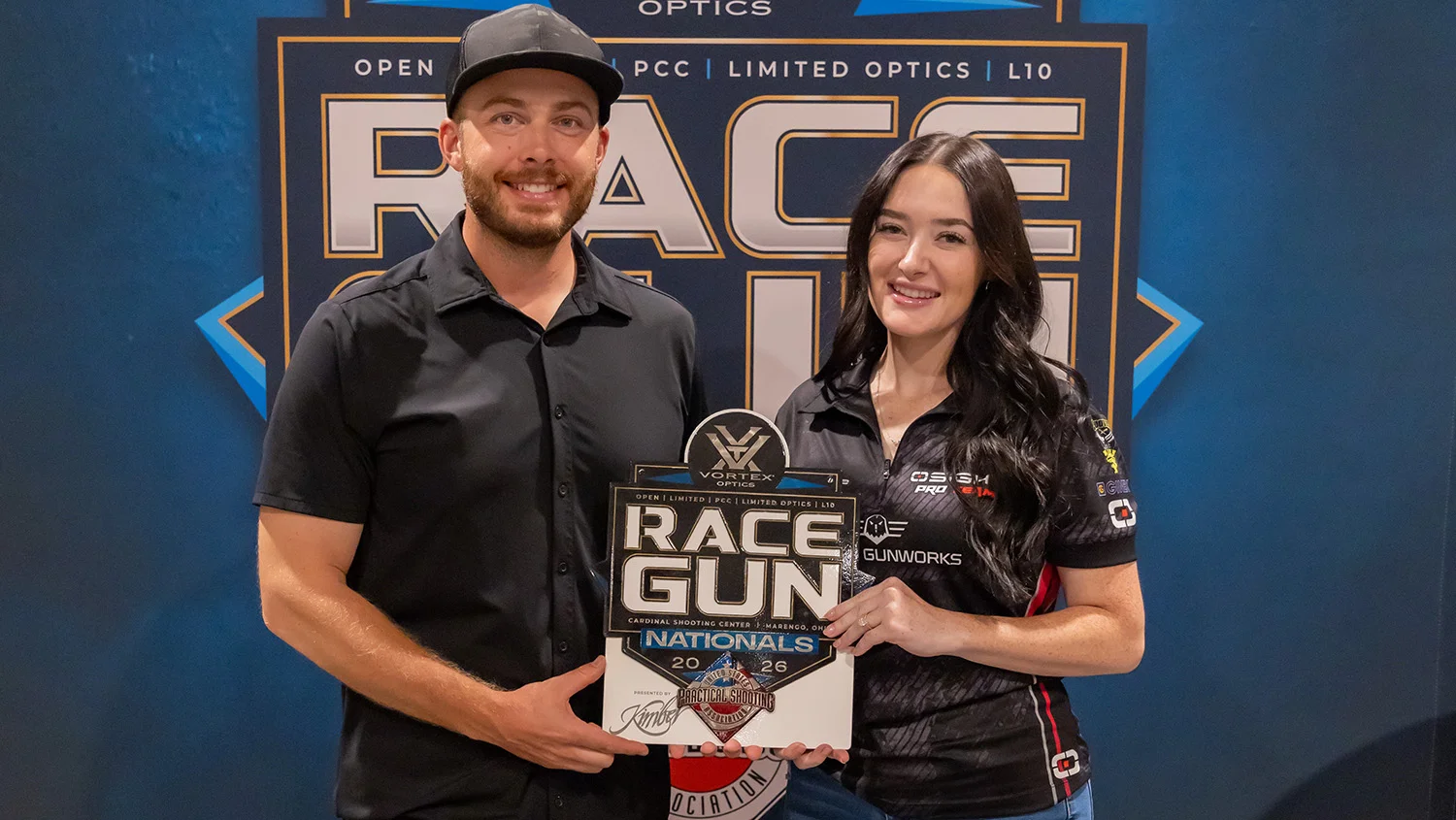
In high-intensity competition, shooters Justine Williams and Max Leograndis ran Osight optics under conditions that cannot be simulated or controlled, only endured. These environments expose weaknesses quickly and reward consistency.
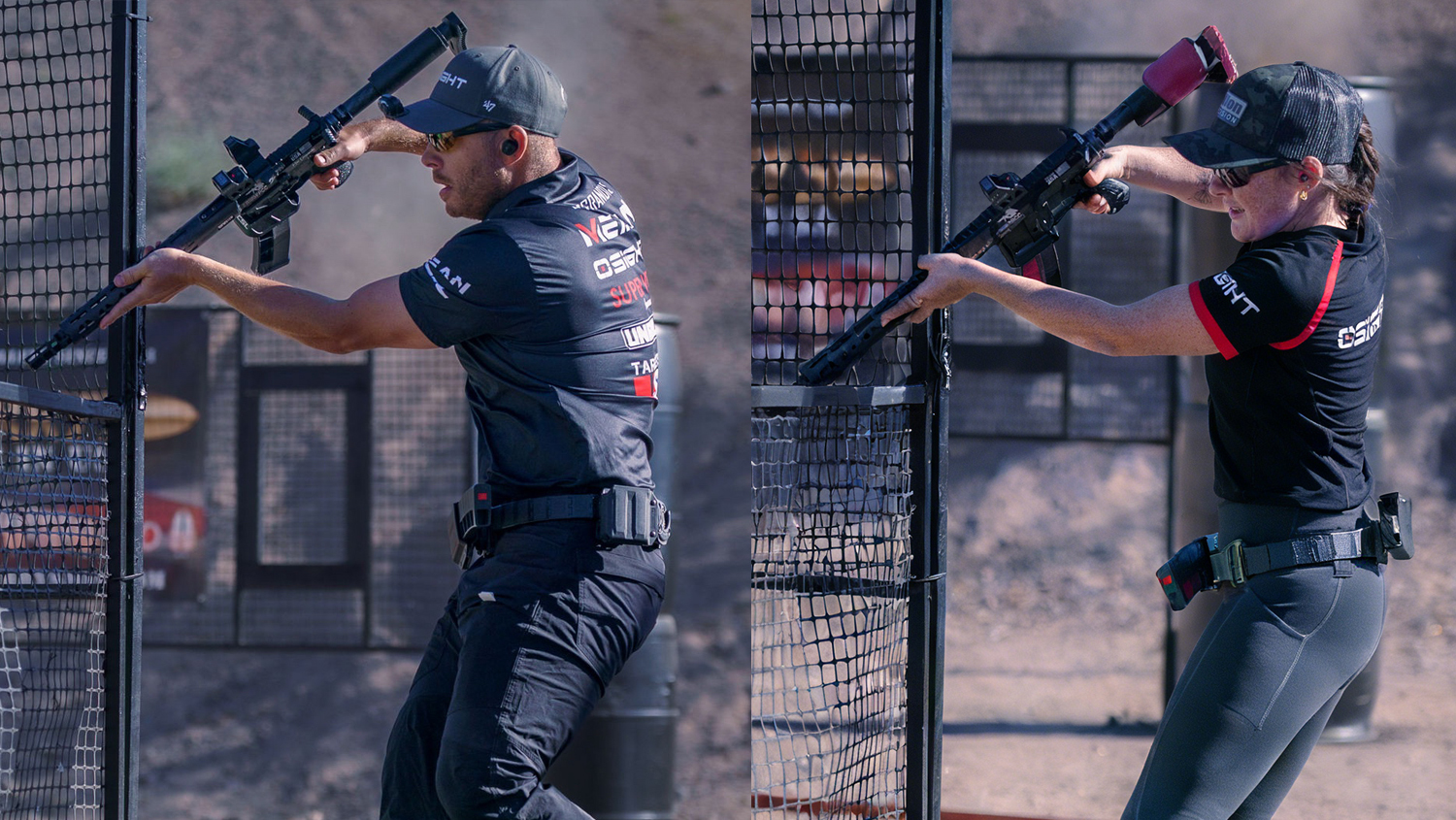
At the same time, we subjected our products to uncompromising internal testing. Prior to production, Osight XR completed a full 10,000-round endurance test. In earlier Osight S 10,000-round testing, firearms themselves failed under extreme conditions while the optic continued to function as expected.
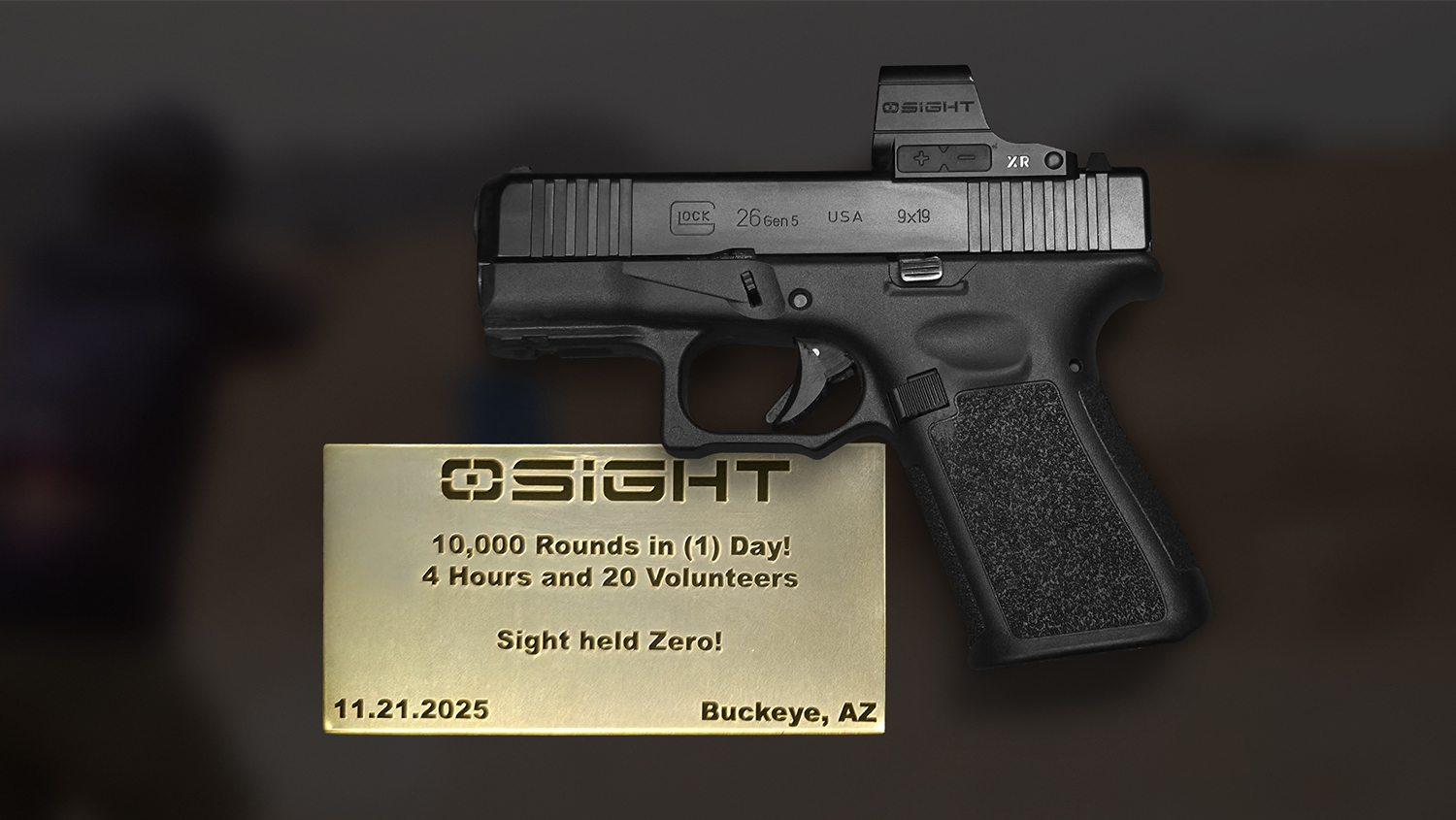
These tests are not demonstrations, they are decision gates. A product does not move forward unless it proves it can survive sustained abuse without becoming the weak link.
"Proven" Doesn't Come Easy
Looking back, one lesson looms tallest: Creating a brand can be quick. But a good name cannot be made in a day. The Osight brand will always stand for its foundational pillars. Putting shooters' needs first, solving longstanding challenges, and providing unwavering support to those who trust us for their firearms.